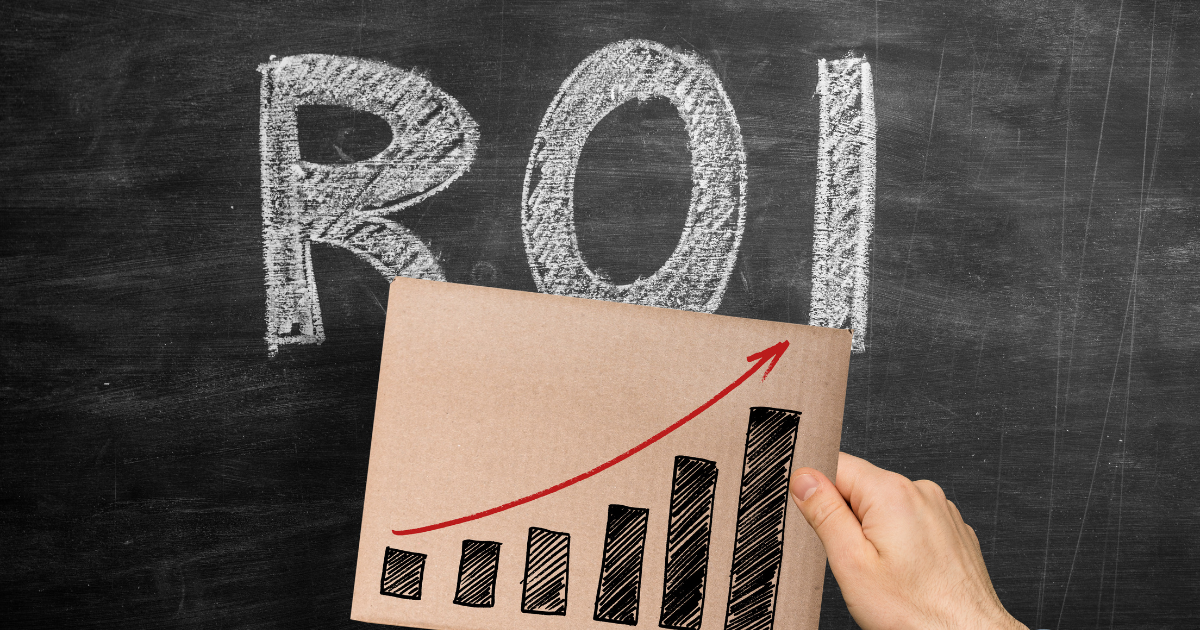
TLDR: As of mid-2025, Kenya's real estate market remains a prime investment area, driven by urbanization and infrastructure growth. Average rental yields in Nairobi's suburbs are around 5.4%, with apartments in upper-mid-end areas like Kilimani and Westlands reaching 7.2%. The key to maximizing your Return on Investment (ROI) is focusing on high-demand locations, understanding the difference between capital gains and rental income, and partnering with a trusted developer.
For both local and international investors, the Kenyan real estate market offers dynamic and lucrative opportunities. However, navigating this vibrant market requires a sharp understanding of what drives profitability. This guide delves into the key factors influencing your Return on Investment (ROI), helping you make informed decisions to maximize your profits.
ROI is the ultimate measure of an investment's success. In Kenyan real estate, it's primarily generated in two ways:
The formula to remember is: ROI = (Net Annual Profit / Total Investment Cost) x 100%
Several critical factors determine the profitability of your real estate investment in Kenya today.
Location remains the single most important factor.
Government and private sector investment in infrastructure directly boosts property values. The Standard Gauge Railway (SGR), new bypasses, and port expansions have opened up new high-growth corridors for both residential and commercial real estate, like our Royal Business Park near the SGR terminus.
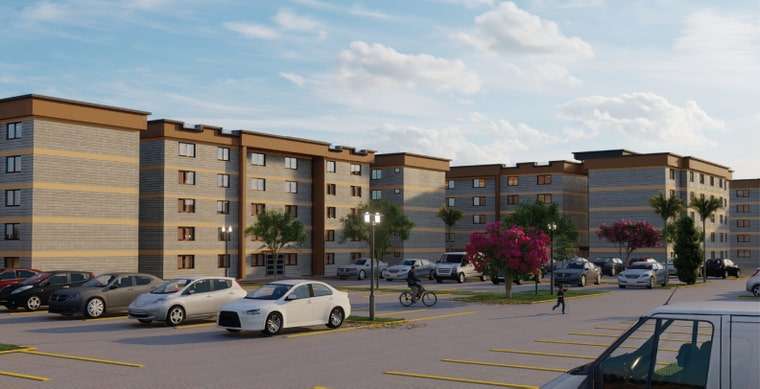
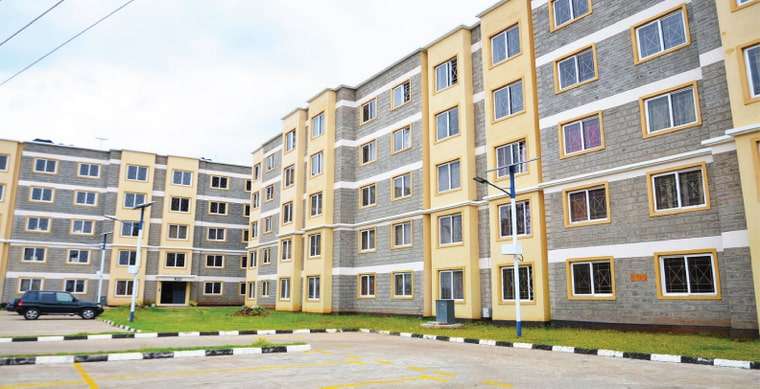
Kenya's GDP is projected to grow by an average of 5.2% between 2024-2026, fueling a strong middle class and sustained demand for housing. The government's continued focus on the Affordable Housing Program further stimulates the residential sector, making projects like Kings Boma Estate a very stable investment.
Your investment strategy should align with your goals. Here are the top-performing sectors:
1. What is a good rental yield in Nairobi in 2025? A good rental yield for residential property in Nairobi ranges from 6% to 10% annually, with apartments in well-located suburbs like Kilimani and Westlands performing at the higher end of this range.
2. Is land or a built property a better investment in Kenya? It depends on your goals. Land in emerging satellite towns offers high potential for capital appreciation with low maintenance costs. Built properties, like apartments, provide immediate rental income. Explore our Guide to Buying Land in Kenya for more details.
3. How do government policies affect real estate ROI? Policies like the Affordable Housing Program create incentives and demand in that sector. Infrastructure spending boosts property values in connected areas. Staying informed on tax and land law changes is crucial.
Understanding the factors that drive ROI is the key to successful real estate investing in Kenya. By focusing on prime locations, quality construction, and market demand, you can build a robust and profitable property portfolio.
Explore our diverse portfolio of high-ROI projects or contact us for expert guidance on your next real estate investment.
More insights to help your investment journey
Residential
Residential
Residential