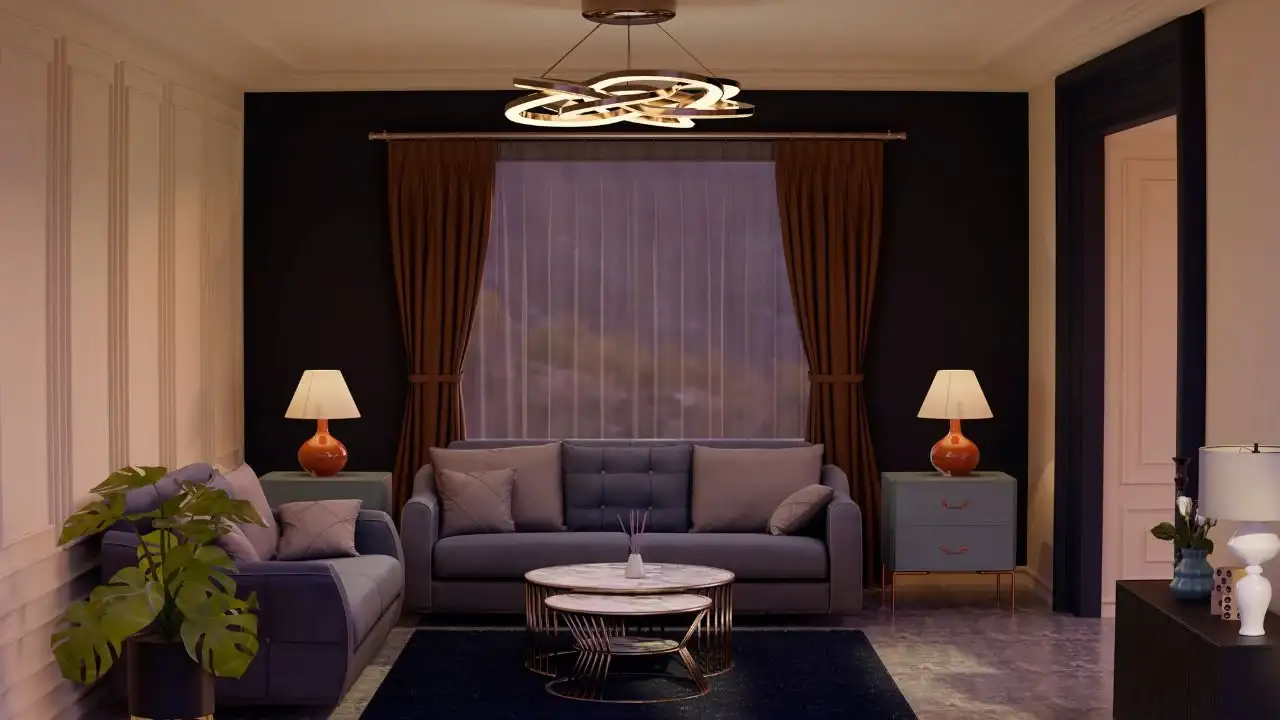
The real estate market has evolved dramatically in recent years – nowhere more so than in East Africa, where buying a home is no longer just about owning property, but about embracing a lifestyle. Modern homebuyers are savvy and discerning. They are looking beyond the number of bedrooms or the size of the lot; they want homes and communities that align with their lifestyle aspirations, values, and practical needs.
As Kings Developers and other industry leaders have observed, today’s buyers – from young professionals in Nairobi to families in Kampala – expect a new standard of living from residential developments. This shift from blueprint to lifestyle is reshaping how residential projects are conceptualized and executed, with developers adding more value-added features to meet and exceed buyer expectations.
Not long ago, the typical Kenyan homebuyer might have focused on basic factors like location, price, and maybe the architectural design of a house. While those factors remain important, there’s a clear shift towards community and lifestyle features. A growing number of Kenyans (and indeed, East Africans broadly) are seeking not just a house, but a living experience defined by security, convenience, and a sense of belonging . This desire has fueled the rise of master-planned estates, gated communities, and mixed-use developments that offer much more than four walls. In these new developments, the environment is curated to provide a quality of life that standalone homes in older neighborhoods might not match.
Modern homebuyers “seek more than just a house; they desire a comprehensive living experience” . This means features like well-maintained roads and reliable utilities, green spaces to relax, recreational facilities, and retail or dining options close at hand. Gated community developments exemplify this trend by offering shared amenities that enhance daily living – from parks and playgrounds for children, to fitness centers and swimming pools for adults.
The convenience of having facilities within walking distance is a huge draw. Imagine a Saturday where a family can step out of their door and take a safe stroll to the neighborhood café, watch kids cycle in a secure park, and maybe join neighbors for a community barbecue at the clubhouse – this is the lifestyle value modern estates are providing . Such an environment is highly attractive to today’s discerning buyers, who prioritize quality of life alongside the home itself.
Security is another non-negotiable aspect of the lifestyle offering. With urban areas expanding, enhanced security has become a top selling point for residences. Controlled-access communities with 24/7 guards and CCTV surveillance give homeowners peace of mind that was harder to come by in open-plan neighborhoods . Especially for families with children, the ability to let kids play or ride bikes within a safe, enclosed estate is invaluable.
This quest for security has made gated communities extremely popular, effectively reshaping Kenya’s residential landscape towards community living . Homebuyers are willing to pay a premium for that sense of safety and order, which is why developers now routinely integrate robust security measures and even professional estate management services to maintain standards.
What exactly are the must-have features in a modern home or development? Industry surveys and buyer feedback point to a range of amenities and design elements that keep coming up on homebuyer wishlists:
Green Spaces and Outdoor Living: Access to nature and outdoor leisure is highly valued. Buyers love developments that incorporate parks, jogging tracks, gardens, or even simple lawns and tree-lined streets. Outdoor living amenities – such as patios, walking paths, playgrounds, or picnic areas – create a serene atmosphere and encourage community interaction. After long workdays, people want a tranquil environment to unwind. Recognizing this, many new projects dedicate ample space to landscaped outdoors. For example, Migaa Golf Estate in Kiambu is more than just housing – it includes an 18-hole golf course, parks, and even schools and shopping centers on-site to offer a holistic living environment .
Modern Shared Facilities: From swimming pools to fitness centers to clubhouses, shared facilities rank high on buyer priorities. In mid- to high-end developments, a well-equipped gym or a beautiful pool isn’t just a luxury – it’s expected. These facilities support a healthy, social lifestyle and save residents the cost and time of commuting to external gyms or clubs. Even in more affordable estates, developers try to include a community hall or multipurpose court to foster social bonds among neighbors. By providing spaces for events, sports, or relaxation, developers create a lifestyle hub within the estate itself .
Quality Infrastructure and Utilities: Reliable water supply, steady electricity (often backed by solar panels or generators), good drainage, and well-paved roads are fundamental. Modern buyers won’t tolerate the water shortages or power outages that were once common; they expect developers to have planned for these with boreholes, storage tanks, solar water heaters, and backup power solutions. High-speed internet connectivity is now considered essential infrastructure too – a development lacking fiber-optic internet will struggle to attract tech-savvy buyers who work from home or stream entertainment.
Smart Home Technology: Tech integration has become a hallmark of modern homes. Many buyers are excited by smart home features that add convenience and efficiency. This can range from simple provisions like fiber internet and DSTV cabling to advanced systems like app-controlled security cameras, smart lighting, or intelligent thermostats. In luxury segments, it’s common to see homes with smart locks, voice-controlled assistants, and sensor-based energy management. As home automation becomes affordable, even mid-market developments in cities like Nairobi are marketing smart features – for instance, remote-controlled gate entry or smart water meters. Homebuyers appreciate the ease and security these technologies provide, as well as the “future-proof” feeling of a tech-enabled home .
Energy Efficiency and Sustainability: Today’s homebuyer is often eco-conscious and cost-conscious. Thus, energy-efficient and sustainable features are a big plus. Properties with solar water heaters, solar panels for electricity, rainwater harvesting, or energy-saving appliances are very attractive. Not only do these reduce utility bills, they also appeal to buyers’ environmental values. Features like double-glazed windows, good insulation, and natural ventilation design are noticed by savvy buyers who understand they make the home more comfortable and cheaper to run . Even something as simple as solar-powered outdoor lights in the compound can signal that a development is keeping up with modern sustainability trends.
Modern Interior Design and Finishes: Aesthetics and quality matter greatly. Homebuyers expect modern design elements such as open floor plans that maximize space and light, which make homes feel larger and more connected . They also look for high-quality finishes – think granite or quartz countertops in kitchens, stylish tiling, hardwood or laminate flooring, and well-crafted cabinetry. A well-designed modern kitchen with stainless steel appliances and an island, for instance, can be a major selling point . Storage space is another focus: buyers love homes with walk-in closets, pantry space, and built-in storage to keep life organized . Bathrooms, too, are expected to be more than utilitarian; features like elegant fixtures, glass shower enclosures, and even a bathtub in the master bath can sway a buyer’s heart. Essentially, the attention to detail in finishes and the sense of a contemporary, move-in-ready home adds tremendous value.
Flexibility and Home Office Space: The lifestyle shift includes the way we work. The rise of remote work has made a home office or study area a top requirement for many buyers . Modern developments often incorporate co-working lounges or ensure units have a small extra room or nook that can serve as a dedicated office. Even in design, flexible spaces that can be adapted – such as a spare bedroom that can double as an office or gym – are highly desirable. Buyers want homes that can evolve with their needs, whether that’s accommodating a home-based business, a growing family, or new hobbies. Open-plan layouts that still allow for privacy (for example, an open living area plus a separate quiet office room) strike a chord with today’s market .
Proximity to Amenities and Conveniences: The old adage “location, location, location” still holds true, but with a twist. Modern buyers evaluate not just distance to the city center, but proximity to daily conveniences. Developments that are near (or include) shopping centers, schools, hospitals, and transport links are highly sought after . In many new projects, developers integrate a commercial complex or at least a mini-mart, so that shopping for groceries or enjoying a restaurant meal doesn’t require a drive downtown.
Being close to good schools is crucial for family buyers. Similarly, access to public transport or major highways is a plus for commuters. In response, “mini-city” projects are emerging – self-contained neighborhoods that blend residential, commercial, and recreational spaces to minimize the need for long commutes. Nairobi’s Two Rivers or Kampala’s King’s City are examples where living, working, and leisure are all within one planned area. Such convenience is exactly what today’s busy urbanites look for.
Developers have recognized that catering to modern homebuyer expectations is not just a value-add – it’s necessary for market success. Market research is now a crucial part of the development process. Kings Developers, for instance, engages with clients and prospects to understand their needs, whether it’s more green space, pet-friendly policies, or electric car charging stations, and incorporates that feedback into project plans. There’s a greater emphasis on master planning and design thinking. Instead of plotting as many units as possible on a piece of land, developers are carefully balancing density with liveability – leaving room for common areas and ensuring aesthetic appeal. As the Dennkarm Properties analysis noted, these well-planned, lifestyle-focused estates have become the preferred choice for a growing middle class and savvy investors .
One outcome is the blending of residential and lifestyle developers – real estate companies now routinely collaborate with lifestyle brands or expert consultants to design amenities. For example, a development might partner with a gym operator to run the fitness center, ensuring it’s up to scratch, or with a tech company to implement smart home systems during construction. By leveraging such partnerships (something we will explore more in the next section), developers ensure that specialized amenities are delivered at a high standard. It also allows them to market the homes more effectively: a buyer will be more impressed by a “fitness center managed by [renowned gym brand]” or a home with “[tech company]-powered smart home package” as part of the offering.
Customer service and transparency have also become part of the package. Modern buyers expect clear communication from developers about what is included and the timelines for delivery. Developers are responding by providing detailed specifications, 3D virtual walkthroughs of unbuilt homes, and even after-sales services like helping set up utilities or home warranties. The idea is to offer a seamless experience that matches the top-tier product being sold. Kings Developers prides itself on this comprehensive approach – from helping buyers navigate financing options to customizing interior finish choices – reflecting our commitment to customer satisfaction as part of delivering not just a home, but a fulfilling lifestyle.
Finally, the lifestyle approach extends to community-building initiatives. Developers often remain involved even after units are sold, by facilitating homeowners’ associations or organizing community events. Why? Because a thriving, happy community is a selling point for future phases and projects. Events like weekend farmers’ markets, holiday festivals, or exercise classes within the estate not only enrich residents’ lives but also strengthen the brand of the development. When prospective buyers visit and see a vibrant community, it significantly boosts the appeal. In essence, developers have become curators of lifestyle, not just builders of houses.
Catering to what today’s homebuyers expect is a win-win for both buyers and developers. Homebuyers end up with residences that truly fit their lifestyles – homes that are convenient, comfortable, secure, and enjoyable to live in. This translates to higher satisfaction and long-term pride in homeownership. Many modern estates report strong community retention, with families choosing to upgrade to bigger homes within the same development because they love the environment so much. That loyalty speaks volumes.
For developers and investors, meeting these expectations typically results in higher property values and demand. Properties that check all the boxes (security, amenities, modern features) tend to appreciate faster and are easier to resell or rent out. In Kenya, properties within well-managed gated communities often command premium prices and see more stable price growth compared to standalone properties in older neighborhoods .
They also attract quality tenants – professionals and expatriates are often specifically seeking housing in these lifestyle estates, which drives strong rental yields . In short, delivering lifestyle features isn’t just about marketing fluff; it has concrete financial benefits. As noted in a recent analysis, properties in gated or planned communities tend to appreciate faster due to high demand and controlled development standards, and they maintain their value better over time .
In conclusion, today’s homebuyers expect their future homes to offer a holistic lifestyle, not just shelter. Developers in East Africa are rising to the occasion, transforming blueprints into vibrant living communities rich with amenities, technology, and thoughtful design. Kings Developers, as an industry leader, remains at the forefront of this trend – ensuring that every project we undertake is conceived with the modern homeowner’s needs in mind, from sustainability to connectivity to leisure. The result is developments where residents don’t just live, but thrive. It’s an exciting era for residential real estate, one where the ultimate goal is creating places that people are truly delighted to call home.
More insights to help your investment journey
Residential
Residential
Residential