The Home Ownership Journey: Your Comprehensive Guide for Kenya in 2025
TLDR: Homeownership in Kenya is a key milestone for stability and wealth creation. As of mid-2025, the market presents unique opportunities, with average mortgage rates around 9.5% for initiatives like KMRC, and a strong government push for affordable housing. Your main paths are building, buying a ready house, or purchasing an apartment. Always budget for "hidden" costs like service charges, which average KSh 2,500-8,000+ for apartments in Nairobi.
Embarking on the journey to homeownership is a significant achievement, representing a shift towards personal freedom and building long-term wealth. In Kenya's dynamic 2025 real estate market, understanding your options is the first step to making a smart decision, whether you're a first-time buyer or a seasoned investor. This guide will walk you through the entire process.
Your Path to Home Ownership: What Are Your Options?
The path to owning a home is not one-size-fits-all. Each option offers unique benefits and challenges tailored to different budgets, timelines, and lifestyle preferences.
- Building a Home: This path offers complete customization, allowing you to create your dream home from scratch. While it requires significant planning and a longer timeline, the reward is a space perfectly tailored to you. For those considering this, our guide to buying land in Kenya is an essential first step.
- Buying a Ready House: The most straightforward option, providing the convenience of moving in quickly. This is ideal for those who prefer an established neighborhood with ready amenities, like the homes available at Kings Boma Estate.
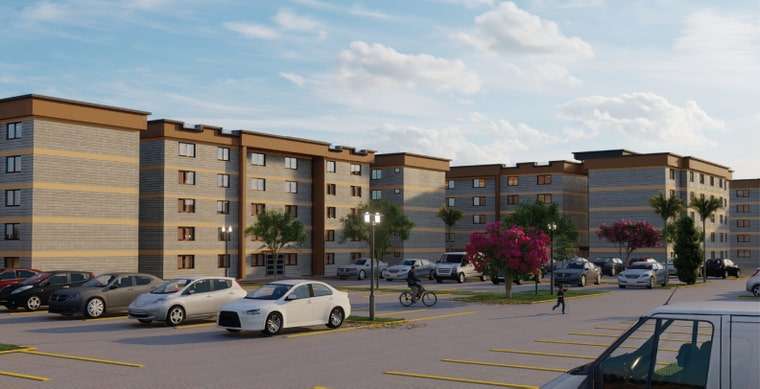
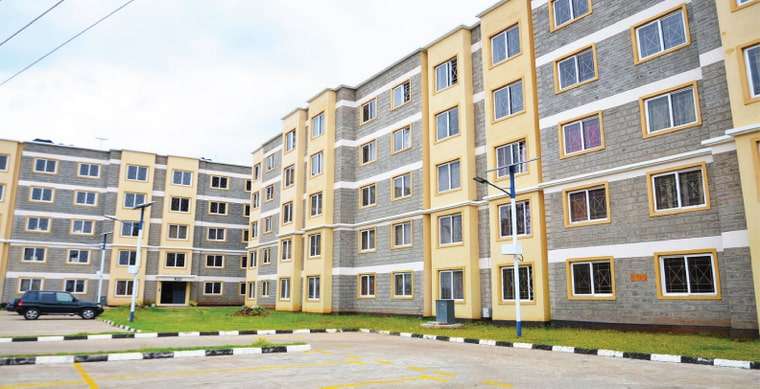
- Apartment Living: Perfect for an urban lifestyle, apartments offer convenience, security, and access to shared amenities like gyms and pools. Developments like Kings Sapphire in Nakuru are excellent examples, often located near city centers and transport hubs.
- Prefab Homes: A modern, cost-effective, and quick solution. These homes are built off-site and assembled on your land, reducing construction time significantly without compromising on style.
Key Financial Considerations for 2025
Effective financial planning is the backbone of a successful home ownership journey.
- Understanding Mortgages: As of mid-2025, while standard bank mortgage rates can be higher, government-backed initiatives like the Kenya Mortgage Refinance Company (KMRC) are offering more affordable financing through partner banks, with rates as low as 9.5%. First-time buyers should also explore the government's Boma Yangu platform for accessible financing options under the Affordable Housing Program.
- Saving for Your Home: Your budget needs to cover more than just the down payment. Factor in closing costs (like legal fees and stamp duty, which is 4% of the property value in urban areas), moving expenses, and an emergency fund. For tips, see our guide on how to save for a home in Nairobi.
- Budgeting for Overhead Costs: Homeownership includes ongoing expenses. For apartments in Nairobi, service charges can range from KSh 2,500 to over KSh 15,000 per month, depending on the amenities. Always budget for maintenance, security, and potential repairs.
Making Smart Choices for Your Life Stage
Your ideal home changes as your life evolves.
- Young Families: Prioritize space, safety, and proximity to good schools. A 3-bedroom apartment in a secure community like Kings Sherwood in Kilimani is often an ideal fit.
- Middle-Aged Buyers: Focus on homes that accommodate established families, perhaps with a home office or extra space. Financial stability at this stage allows for more flexibility.
- Retirees: Often consider downsizing to a more manageable space with good accessibility and a strong sense of community, like the environment offered at Kings Square Eldoret.
The Kenyan Real Estate Market in 2025
Staying informed about market trends is crucial. Key trends for 2025 include:
- A Rise in Sustainable Living: Buyers are increasingly prioritizing eco-friendly features like solar panels and rainwater harvesting to reduce long-term costs. There's a growing interest in certified green buildings for their energy efficiency.
- Growth of 'Live-Work-Play' Communities: Mixed-use developments that combine residential, commercial, and leisure spaces in one location, like Kings Sapphire, are gaining popularity for their convenience.
- Satellite Towns Outperforming: While high-end suburbs are stabilizing, satellite towns like Ruiru, Juja, and Limuru are showing strong price growth due to affordability and infrastructure improvements.
For a deeper dive into property investment, explore our guide on the Return on Investment in the Kenyan Market.
1. What are the main types of home ownership in Kenya?
The main paths include building your own house, buying a ready-built home, purchasing an apartment, or opting for a modern prefab home. Each offers different levels of control, cost, and convenience.
2. What are the key challenges for first-time homebuyers in 2025?
Navigating the mortgage process, understanding all associated costs beyond the purchase price, and saving for a sufficient down payment are the primary challenges. Exploring government programs like Boma Yangu is highly recommended.
3. What do service charges typically cover in Nairobi apartments?
Service charges usually cover the maintenance of common areas, security, garbage collection, and sometimes amenities like water, gym, and pool access. It's crucial to confirm this before purchase.
4. How can I make my home more sustainable?
You can incorporate sustainability through energy-efficient appliances, solar panels for power and water heating, rainwater harvesting systems, and using locally sourced, green building materials.
5. What is the legal process of buying a house in Kenya?
Key steps include conducting a title search, verifying all documents, signing a sale agreement, paying stamp duty, and registering the property. It is highly recommended to use a qualified lawyer throughout the process. Explore our full list of projects or contact us for personalized guidance on your home ownership journey.